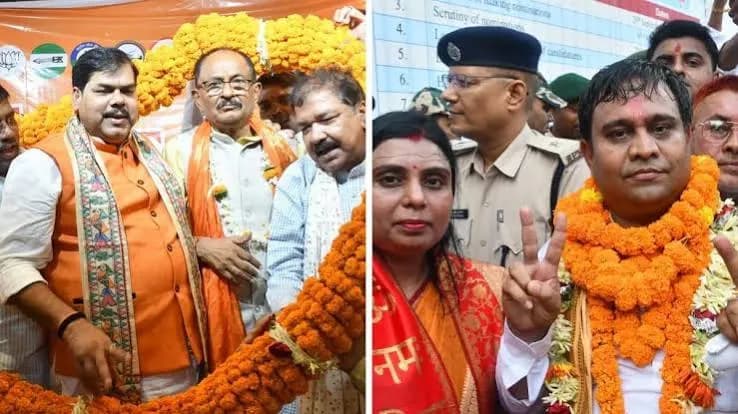
How the Bihar Vidhan Sabha Works
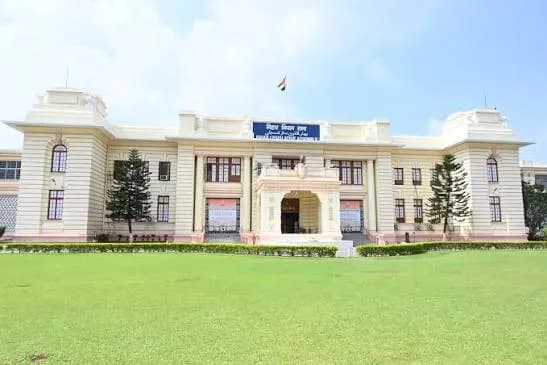
Introduction
The Bihar Vidhan Sabha, officially known as the Bihar Legislative Assembly, is the elected lower house of the Bihar Legislature. It plays a central role in making state laws, approving government spending, discussing public issues and holding the state government accountable.
The Assembly represents voters from constituencies across Bihar. Members of the Legislative Assembly, commonly known as MLAs, are elected by citizens through direct elections.
Composition of the Bihar Vidhan Sabha
The Bihar Legislative Assembly has 243 elected seats. Each constituency elects one MLA through a direct election.
The Assembly's composition can change after elections, by-elections, resignations, disqualifications and other constitutional or legal processes.
MLAs represent specific geographical constituencies and raise issues concerning their constituents in the House.
How MLAs Are Elected
Members of the Bihar Legislative Assembly are elected through direct elections.
Bihar is divided into 243 Assembly constituencies. Eligible voters in each constituency vote for candidates contesting that particular seat.
The candidate who receives the highest number of valid votes in a constituency is declared elected under the first-past-the-post electoral system.
After an election, the elected MLAs collectively form the Legislative Assembly.
Term of the Assembly
The normal term of a State Legislative Assembly is five years from the date appointed for its first meeting, unless it is dissolved earlier.
The term can be extended during a national emergency according to the Constitution, subject to the constitutional limits.
Once an Assembly is dissolved, elections are held to constitute a new Assembly.
Who Runs the Bihar Vidhan Sabha
The Speaker is the presiding officer of the Bihar Legislative Assembly. The Speaker conducts proceedings, maintains order and applies the rules of procedure of the House.
The Assembly also elects a Deputy Speaker to perform the Speaker's functions when required.
The Leader of the House is generally the Chief Minister when the Chief Minister is a member of the Legislative Assembly. The Leader of the Opposition represents the principal opposition party or group meeting the required conditions under the applicable rules.
Role of the Governor
The Governor is a constitutional part of the state legislature.
The Governor summons and prorogues the Legislature and can dissolve the Legislative Assembly in accordance with constitutional provisions.
Bills passed by the Assembly are presented to the Governor for consideration. Depending on the type of bill and constitutional provisions, the Governor may give assent, withhold assent, return a non-Money Bill for reconsideration or reserve a bill for the consideration of the President.
How a Bill Becomes a Law
A proposed law is introduced in the Legislative Assembly as a Bill.
The Bill is discussed by members and may be examined through legislative procedures and committees.
Members can debate the provisions, raise concerns and propose amendments.
After the required stages of consideration and voting are completed, a Bill passed by the Assembly is sent for the next constitutional stage.
Where required, the Bill may also need consideration by the Bihar Legislative Council because Bihar has a bicameral state legislature.
Once the constitutional requirements are completed and the Governor gives assent, the Bill becomes an Act of the Bihar Legislature.
Money Bills and the State Budget
The Bihar Legislative Assembly has an important role in approving government expenditure.
The state government presents the annual financial statement, commonly referred to as the state budget.
MLAs discuss proposed government expenditure and revenue.
A Money Bill can be introduced only in the Legislative Assembly, subject to constitutional provisions.
The Assembly's financial powers allow elected representatives to examine how public money is proposed to be collected and spent.
Question Hour
Question Hour provides MLAs with an opportunity to ask questions to ministers about government departments and public administration.
Questions can relate to issues such as roads, education, healthcare, agriculture, employment, electricity, law and order and welfare programmes.
Ministers provide answers on behalf of the government.
This process allows members to seek information and bring constituency and state-level issues into the legislative process.
Debates and Discussions
The Assembly provides a formal forum for discussion of matters affecting Bihar.
Members can raise issues concerning their constituencies and participate in debates on government policies, legislation, development programmes and public administration.
The government can explain its policies and respond to questions and criticisms raised by members.
Role of Legislative Committees
Legislative committees allow members to examine government activities and legislative matters in greater detail.
Committees may examine expenditure, government departments, bills, reports and other matters referred to them according to the rules and procedures of the House.
Committee work is an important part of legislative scrutiny because it allows detailed examination beyond the main floor debates.
Bihar's Two-House Legislature
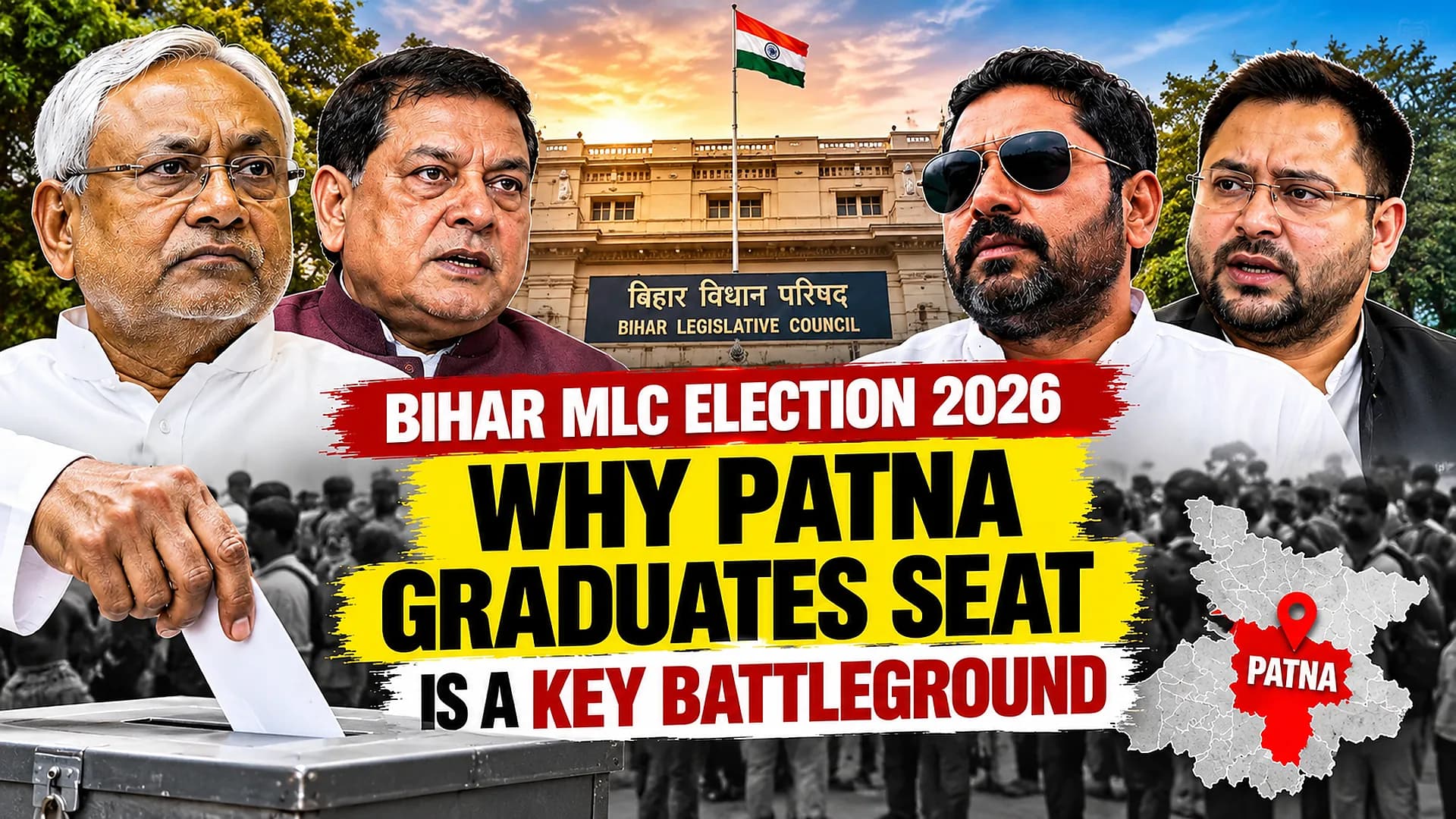
Bihar is one of the Indian states with a bicameral legislature.
The Bihar Legislature consists of two Houses:
Bihar Legislative Assembly
Bihar Legislative Council
The Legislative Assembly is the directly elected House. The Legislative Council is the upper House and has members chosen through different methods prescribed by the Constitution, including elections by specified electorates and nominations by the Governor.
The two Houses have different constitutional roles and procedures.
Role of the Opposition
The opposition plays an important role in legislative proceedings.
Opposition MLAs can question government decisions, participate in debates, propose amendments and raise issues concerning public administration.
The opposition also provides an alternative political voice within the legislature.
The effectiveness and formal status of the Leader of the Opposition depend on the applicable constitutional provisions and Assembly rules.
Speaker and Assembly Proceedings
The Speaker presides over meetings of the Legislative Assembly and is responsible for conducting proceedings according to the rules.
The Speaker decides procedural matters, maintains order in the House and oversees the conduct of legislative business.
The Assembly follows established rules governing debates, questions, motions, voting and other parliamentary procedures.
How Voting Works Inside the Assembly
MLAs vote on Bills, motions and other matters according to the rules of the House.
For ordinary decisions, the required majority depends on the constitutional provision and type of matter being considered.
Some constitutional matters require special majorities or additional procedures.
The Speaker announces the result of voting in accordance with the Assembly's rules and procedures.
Importance of the Bihar Vidhan Sabha
The Bihar Vidhan Sabha is one of the principal institutions through which the people of Bihar participate in representative government.
It performs several important functions, including lawmaking, financial approval, government oversight, debate and representation of constituency-level concerns.
Through its elected members, the Assembly connects citizens with the state government and legislative process.
Conclusion
The Bihar Vidhan Sabha is more than a place where laws are discussed. It is an important constitutional institution responsible for representing Bihar's voters, examining government policies, approving public expenditure and participating in the state's lawmaking process.
Understanding how the Assembly works helps citizens understand the roles of MLAs, the Speaker, the government, the opposition, the Governor and legislative committees.
For anyone following Bihar politics, the Vidhan Sabha provides an important framework for understanding how political decisions are debated, examined and translated into state legislation and government action.
Related Keywords
Join the discussion