How to Read the Bihar Government Budget
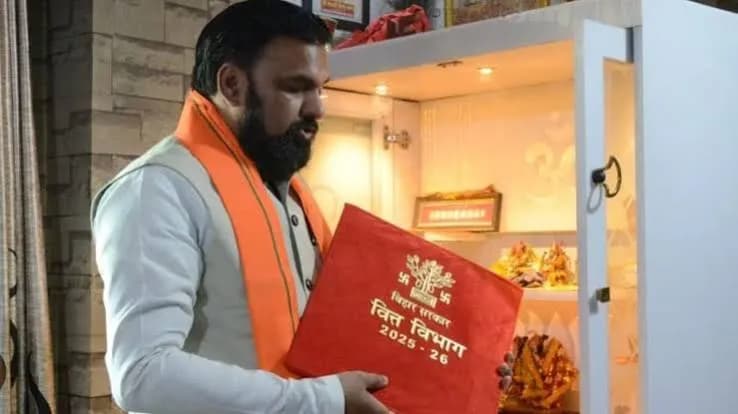
The Bihar Government Budget is an important document for understanding the state's financial priorities. It explains how the government expects to raise money and how it plans to spend public funds during a financial year.
For citizens, the budget can be useful for understanding spending on education, healthcare, roads, agriculture, welfare programmes, infrastructure and other public services. Reading the budget carefully also helps distinguish between announcements, budget allocations and actual expenditure.
What Is the Bihar Government Budget?
The Bihar Government Budget is the state's annual financial statement.
It presents estimates of government receipts and expenditure for the financial year. The budget is presented before the Bihar Legislature and goes through the required legislative process before spending is authorised.
The financial year in India runs from 1 April to 31 March.
Revenue and Expenditure
One of the first things to understand is the difference between government income and government spending.
Government receipts include money received through taxes, non-tax revenue, transfers and other sources. Government expenditure covers spending on salaries, pensions, infrastructure, public services, welfare programmes and other government responsibilities.
Understanding both sides is important because a spending announcement needs to be considered alongside the resources available to the government.
Revenue Receipts
Revenue receipts are receipts that do not generally create a liability for the government or involve a reduction in government assets.
They can include tax revenue and non-tax revenue.
For Bihar, tax revenue can come from sources assigned to the state government under the Constitution and from state-level taxes and duties. Non-tax revenue can include fees, charges, interest and other receipts.
Capital Receipts
Capital receipts are another major category of government receipts.
They can include borrowings, recovery of loans and other receipts that affect government liabilities or assets.
Borrowing is particularly important because it provides resources for government spending but also creates future repayment obligations.
Revenue Expenditure
Revenue expenditure generally relates to the regular functioning of government and the delivery of public services.
Examples can include salaries, pensions, administrative expenses, maintenance and various recurring programme costs.
A large amount of revenue expenditure does not necessarily mean that infrastructure is being created because much of it supports ongoing government operations and services.
Capital Expenditure
Capital expenditure generally relates to the creation or acquisition of assets or other spending with longer-term benefits.
Examples can include roads, bridges, government buildings, irrigation infrastructure and other capital projects.
Capital expenditure is therefore an important figure to examine when studying infrastructure investment.
Budget Estimates
Budget Estimates are the amounts the government proposes or expects to receive and spend during the upcoming financial year.
For example, a budget presented before the beginning of a financial year contains estimates for that coming year.
These figures represent planned financial activity and should not be confused with money that has already been spent.
Revised Estimates
Revised Estimates provide an updated estimate for the current financial year.
They can differ from the original Budget Estimates because revenue collections, expenditure requirements, project implementation and other economic or administrative conditions may change during the year.
Actual Expenditure
Actual expenditure shows what was actually spent after the financial year has been completed and accounts have been compiled.
This distinction is important when evaluating government spending.
A large budget allocation does not automatically mean that the same amount was ultimately spent.
Department-Wise Spending
The Bihar Budget can be examined department by department.
Important departments may include education, health, rural development, agriculture, roads, water resources, urban development, energy and social welfare.
Looking at departmental allocations can help identify the areas receiving significant planned expenditure.
Education Spending
Education is a major area of public expenditure.
When examining education allocations, it is useful to look beyond the headline figure and examine spending on schools, higher education, teacher-related expenses, infrastructure, scholarships and other programmes.
The amount allocated and the amount actually spent can provide different information.
Healthcare Spending
Healthcare expenditure can include hospitals, medical colleges, primary healthcare facilities, medicines, health workers, public-health programmes and infrastructure.
A detailed budget analysis should therefore examine the composition of health spending rather than focusing only on the total allocation.
Agriculture and Rural Development
Agriculture and rural development are important areas of Bihar's economy.
Budget documents may contain allocations related to irrigation, agricultural support, rural roads, rural housing, livelihoods, livestock and other programmes.
These allocations can be studied alongside information about implementation and actual expenditure.
Infrastructure Spending
Infrastructure expenditure is often highlighted during budget discussions.
Roads, bridges, irrigation projects, buildings, electricity infrastructure and other capital projects can require substantial public investment.
When examining infrastructure allocations, it is useful to check whether the amount relates to new projects, ongoing projects, maintenance or other expenditure.
Understanding Fiscal Deficit
The fiscal deficit represents the gap between the government's total expenditure and its total receipts excluding certain borrowings, as defined in government budget documents.
A fiscal deficit means the government needs to finance part of its expenditure through borrowing or other financing arrangements.
The fiscal deficit is therefore an important indicator when studying the state's financial position.
Understanding Public Debt
Government borrowing can accumulate into public debt.
When reading Bihar's budget, it is useful to examine borrowing requirements, outstanding liabilities, interest payments and debt-related indicators.
Debt should be considered alongside the size of the state's economy, revenue resources and expenditure commitments.
Central Government Transfers
Bihar's finances are also connected to the broader financial relationship between the Union and state governments.
States receive resources through mechanisms such as the state's share of central taxes and various grants and transfers, according to constitutional provisions and applicable arrangements.
These resources are an important part of understanding Bihar's overall fiscal position.
Budget Announcements and Implementation
A budget announcement is not the same as completed implementation.
A government may announce a new scheme or allocate funds to a programme, but implementation may take place over several months or financial years.
To understand progress, citizens should look for subsequent government reports, expenditure data, project updates and audit findings.
How to Compare Two Bihar Budgets
When comparing budgets from different years, it is useful to examine the same department or programme across multiple years.
However, comparisons should account for changes in prices, population, government structures, programme definitions and accounting classifications.
Looking only at whether an allocation increased or decreased may not provide the complete picture.
Where to Find Budget Information
Bihar's Finance Department publishes official budget documents and related financial information.
The Bihar Legislature also plays a role in the legislative examination and approval of government finances.
Citizens should prefer official budget documents when checking exact allocations, estimates and financial figures.
Questions to Ask While Reading the Budget
When reading a Bihar Budget, several basic questions can help:
How much money does the government expect to receive?
How much does it plan to spend?
Which departments receive major allocations?
How much is planned for capital expenditure?
What are the major new schemes or programmes?
How much was allocated in previous years?
How much was actually spent?
What are the state's borrowing and debt indicators?
What assumptions or economic conditions are behind the estimates?
Why Budget Analysis Matters
The budget provides information about the government's financial plans, but it should be read together with actual expenditure, government reports, audit documents and development outcomes.
A careful budget analysis can help citizens understand how public money is planned to be raised, allocated and spent.
Conclusion
Reading the Bihar Government Budget does not require specialist financial knowledge. The most important step is to understand the difference between receipts, expenditure, estimates, revised figures and actual spending.
By examining departmental allocations, capital expenditure, fiscal indicators, government schemes and implementation data, citizens can develop a clearer understanding of Bihar's public finances.
The budget is ultimately more than a list of numbers. It is an important document for understanding the state's financial planning and the resources being directed toward public services and development.
Related Keywords
Join the discussion